
When getting to the doctor is half the battle in Detroit
Without reliable transportation, Detroiters in need of regular medical care struggle to get to hospitals, clinics or pharmacies.
This article was originally posted in Planet Detroit, written by Eleanore Catolico. Read the full story here.
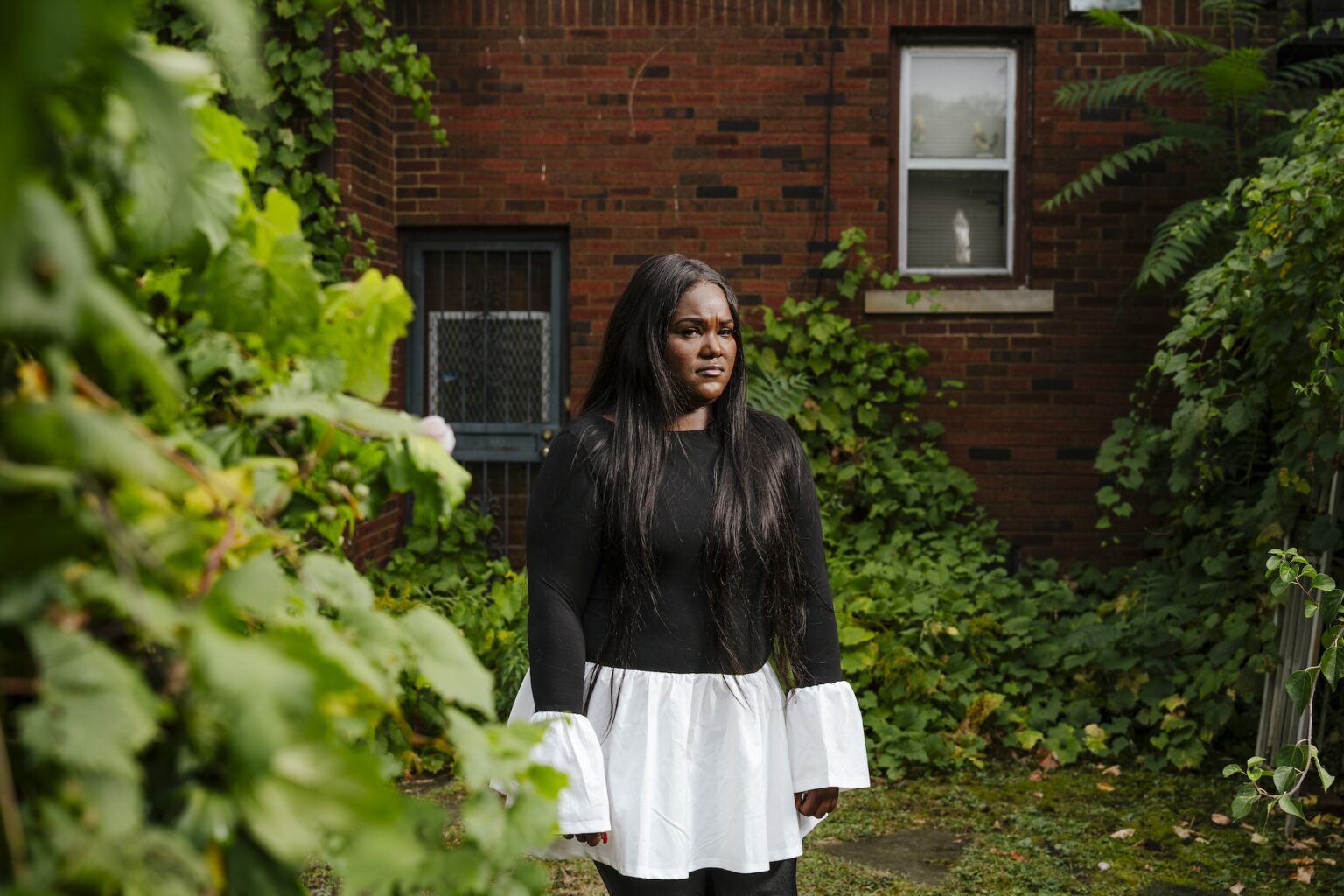
In 2013, Deanne Austin bled for six weeks straight.
Before the incident, a physician diagnosed her with polycystic ovary syndrome, a hormonal disorder that intensifies menstrual symptoms. Her body ached from cramps and migraines.
“It can be very draining,” Austin, who lives in Detroit, said of her condition, which is manageable but has no cure.
This time, as the blood flowed, Austin struggled to breathe, which was troubling and strange. Worried, she wanted to act before her symptoms got worse.
But Austin, then in her 20s, faced restrictions in her travel options. She had no driver’s license— local highways with speeding cars daunted her. And calling an ambulance was out of the question – she had no health insurance.
Austin’s grandmother, Edythe Moore, saw signs of a health crisis. She feared for her grandchild’s life. Moore finally drove her to the emergency room, where Austin stayed overnight and received a blood transfusion.
“She was so scared. She didn’t want me to try to get on the bus,” Austin recalled.
Accessing health care – doctors’ appointments, the pharmacy or the ER – in a city and region that relies heavily on personal vehicles and invests far less in public transit than comparable cities, is an ongoing dilemma for Detroiters like Austin. In Detroit, 21% of households lack access to a car. Statewide, it’s 7%.
In times of urgent medical need, residents without cars often struggle to reach care, navigating unstable circumstances. They’ll rely on loved ones for rides to doctors’ offices. They’ll pay for rideshares that strain their finances, or wait hours for a bus to transport them to specialists located far from home, if a bus arrives at all. They’ll walk for miles to retrieve medications.
A lack of access to a car can also result in them neglecting basic health maintenance, causing anxiety, stress and social isolation. Missed doctor’s appointments can lead to increased hospitalizations. Transportation insecurity related to healthcare access is also associated with a greater risk of death from chronic liver disease.
Richard Bryce, the chief medical officer at the Community Health and Social Services Center (CHASS) in southwest Detroit, said he wishes that public transit options were more dependable for his patients.
“It’s not like you’re going to go to just one place,” Bryce said of patients’ healthcare visits. “Often, there are multiple places that you have to go, which means that the complexity of the transportation needs to be supportive for that.”
“If you don’t have a car, that’s a problem.”